Pamplona, European capital of renewable energy thanks to CITE25
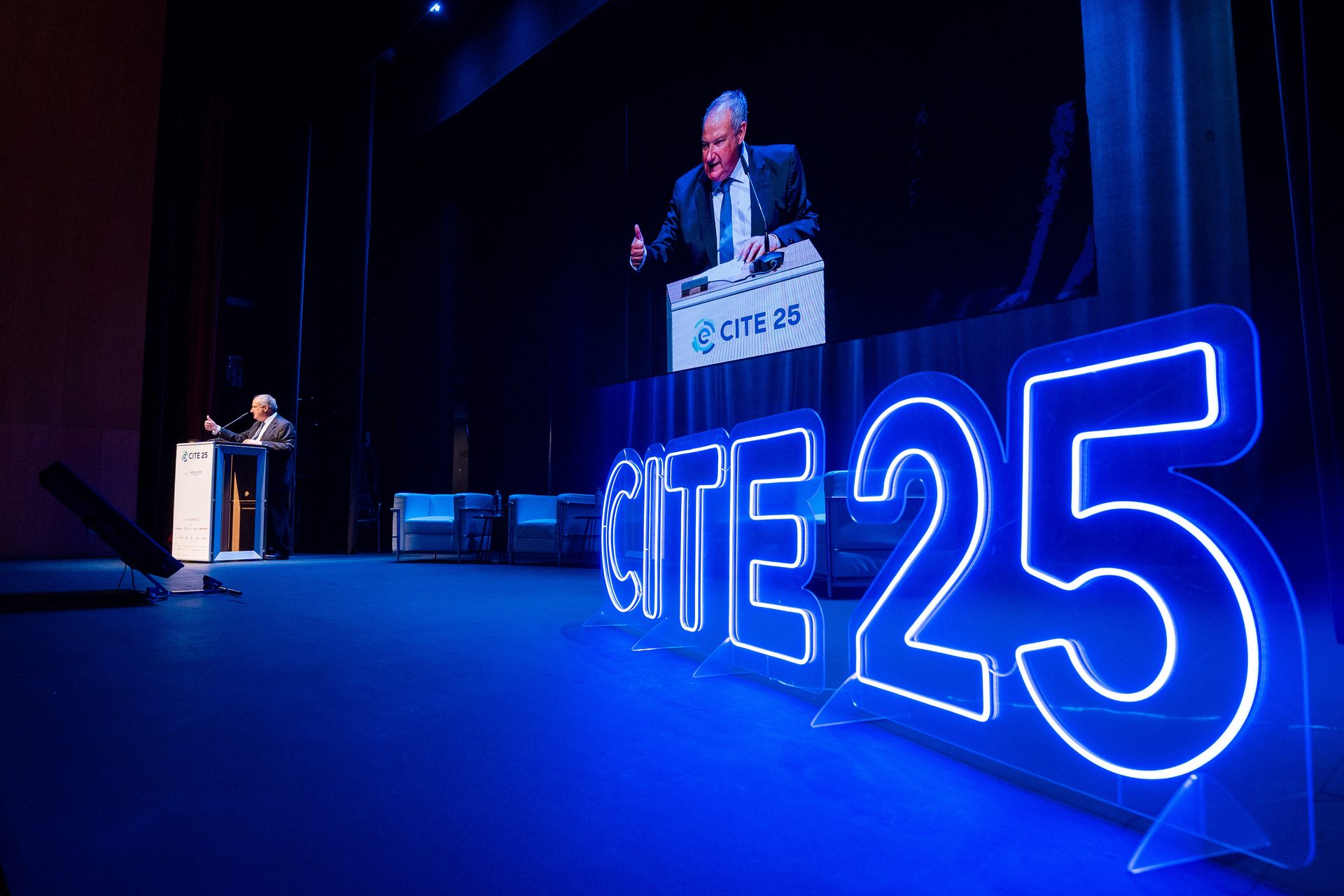
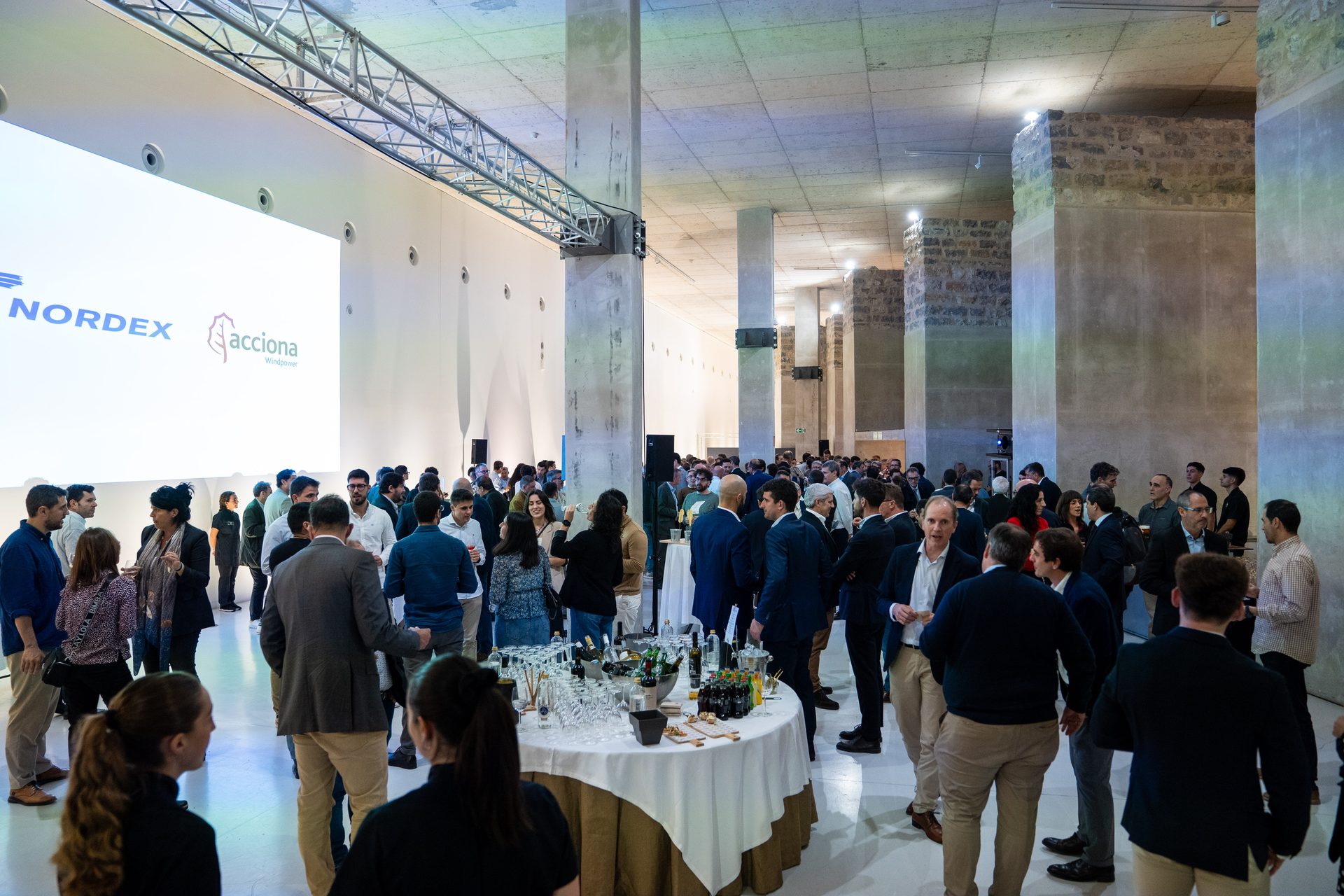
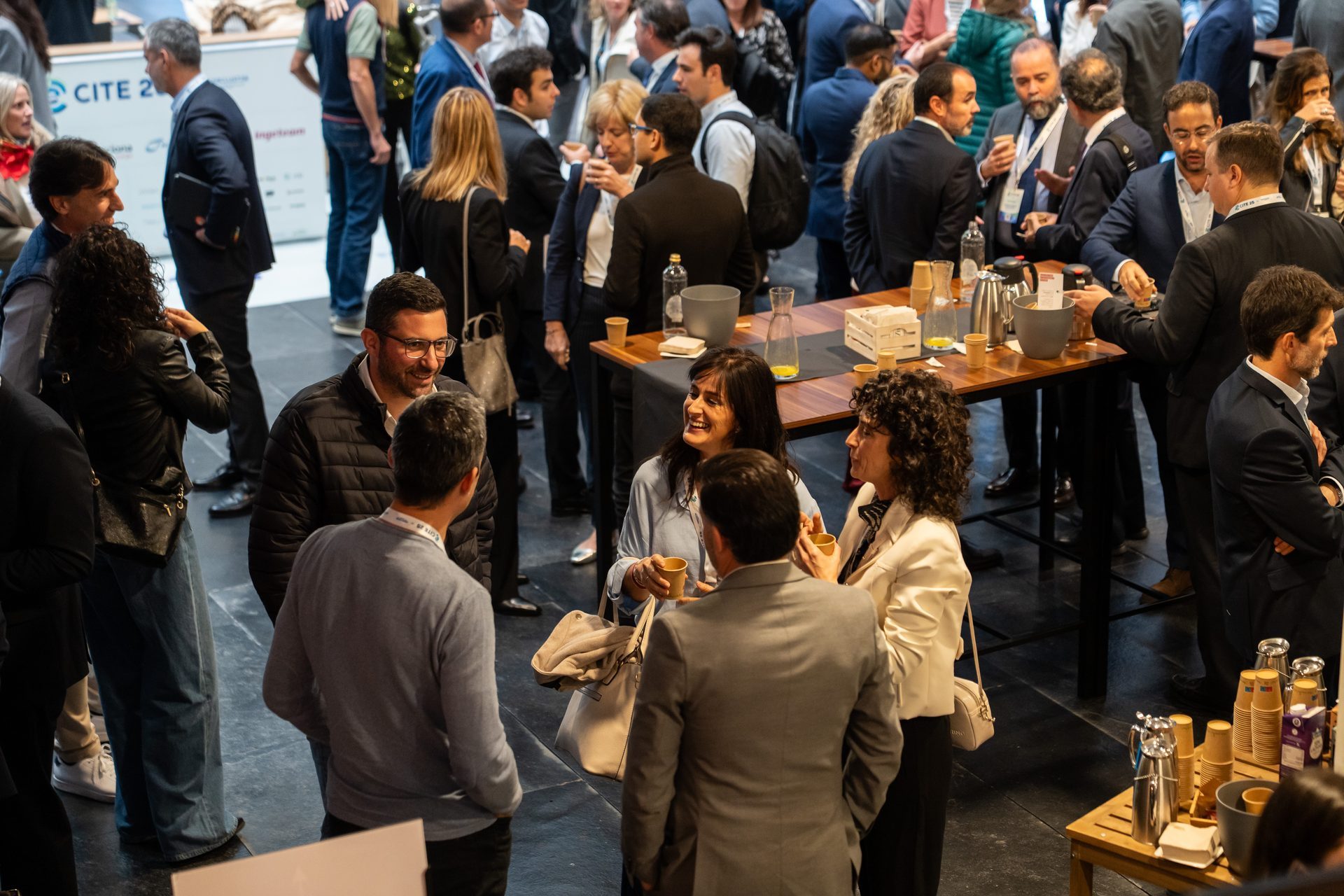
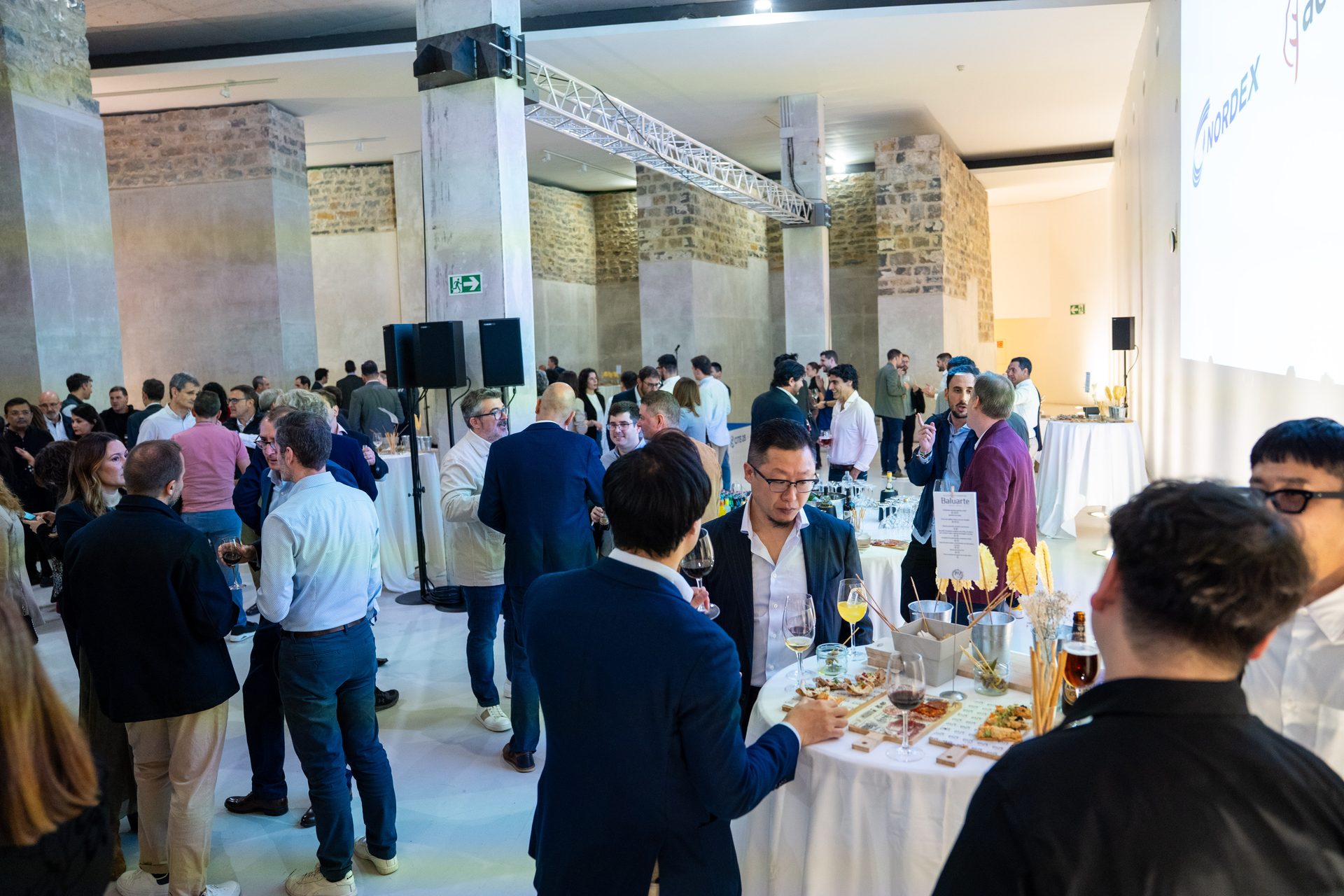
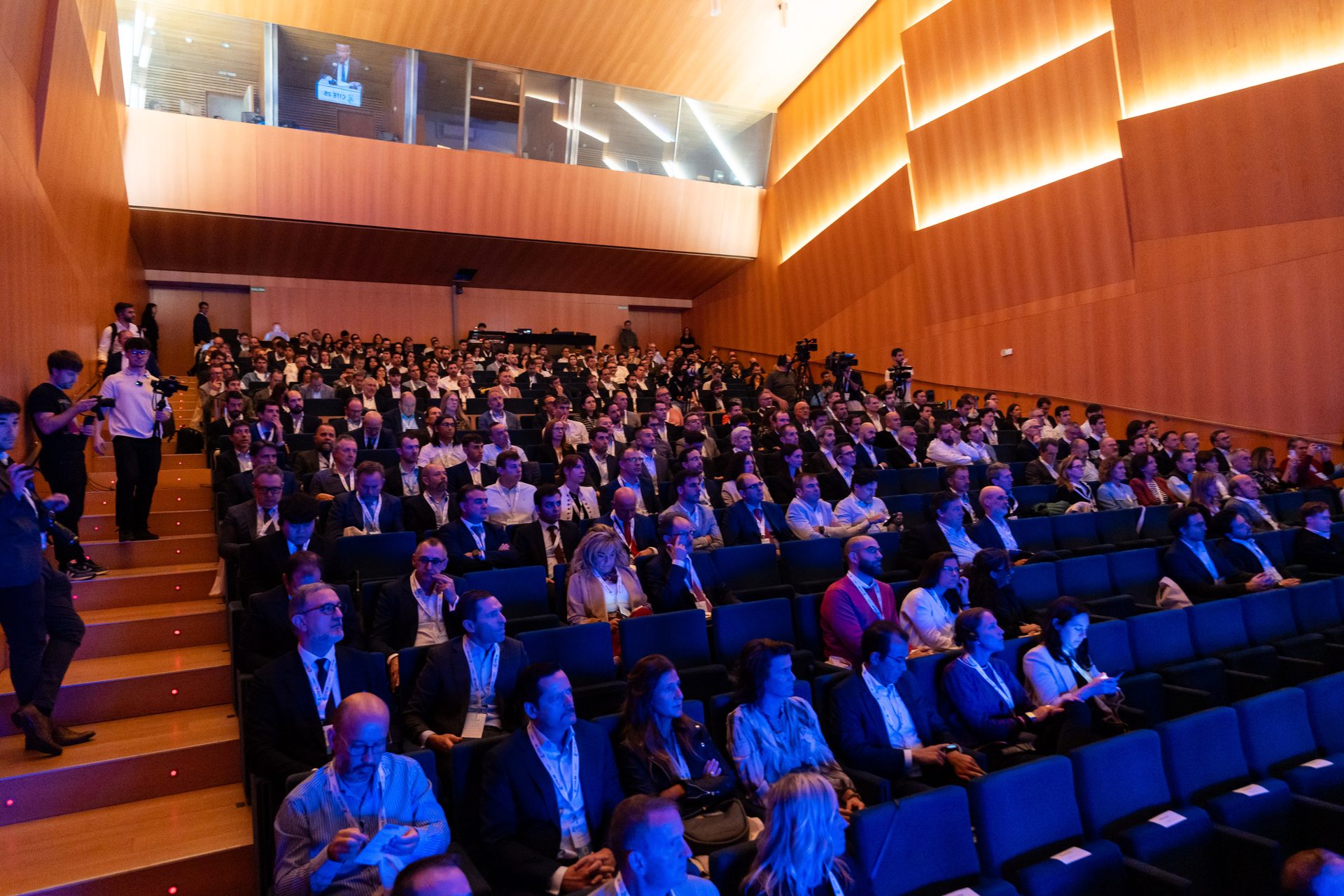
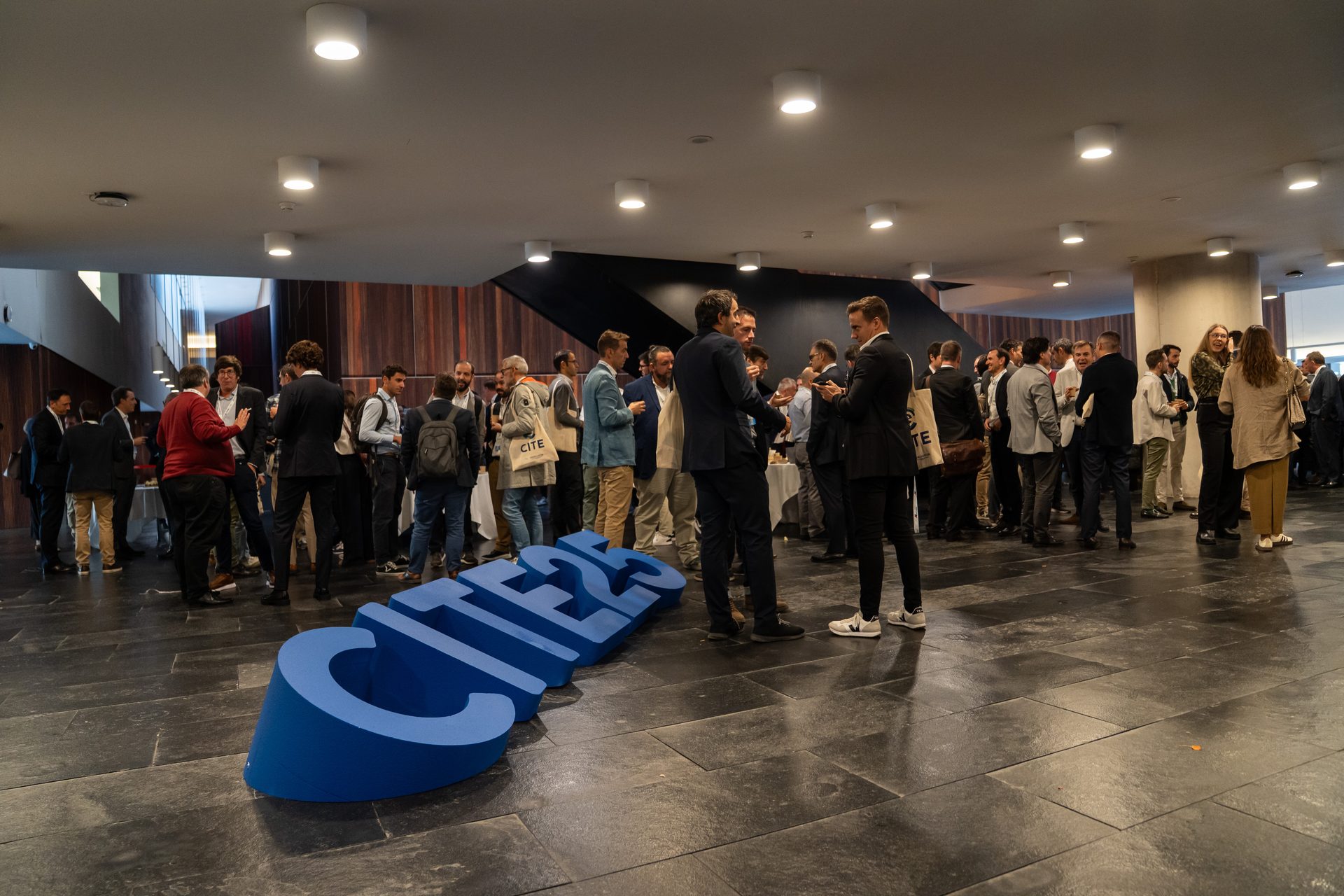
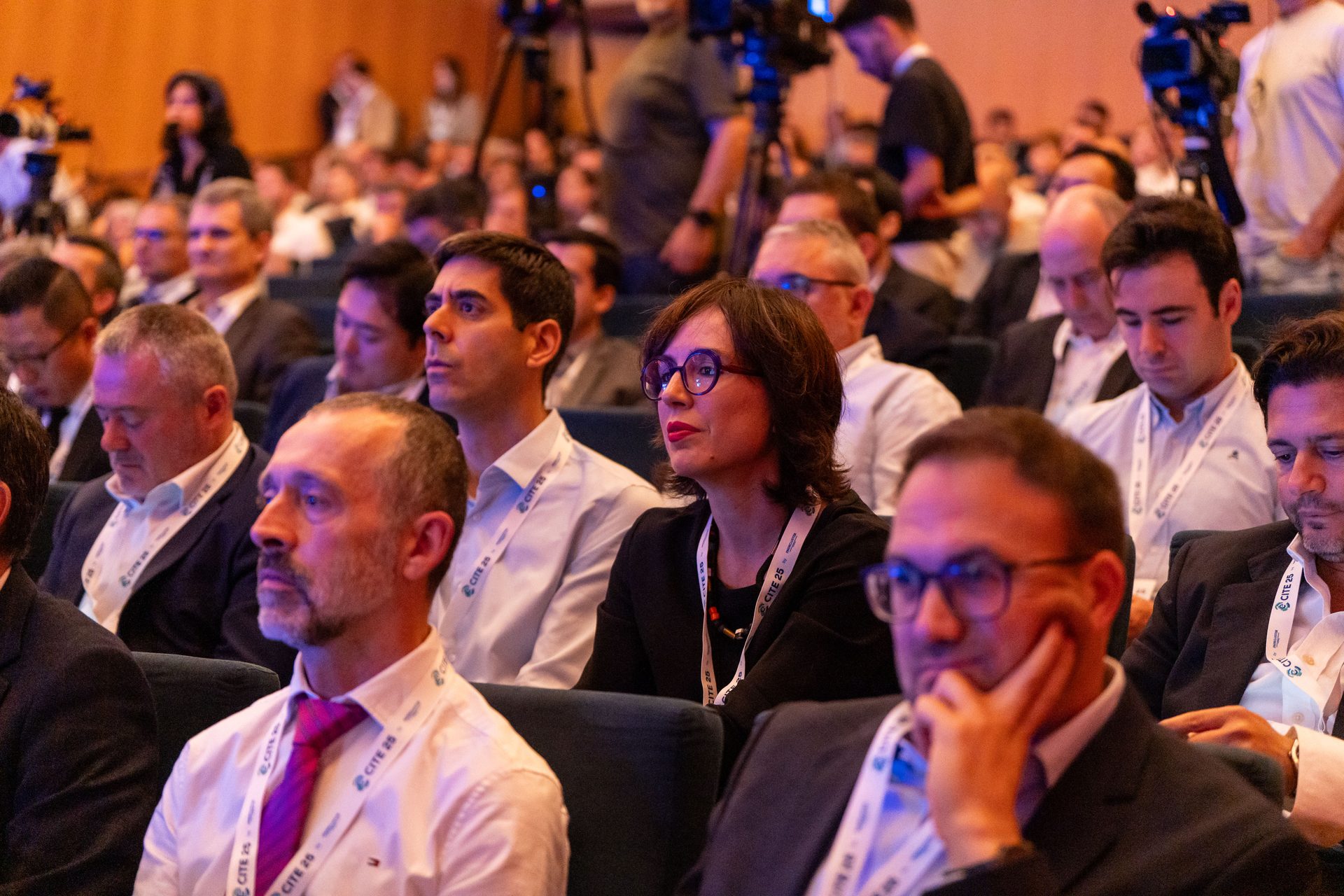
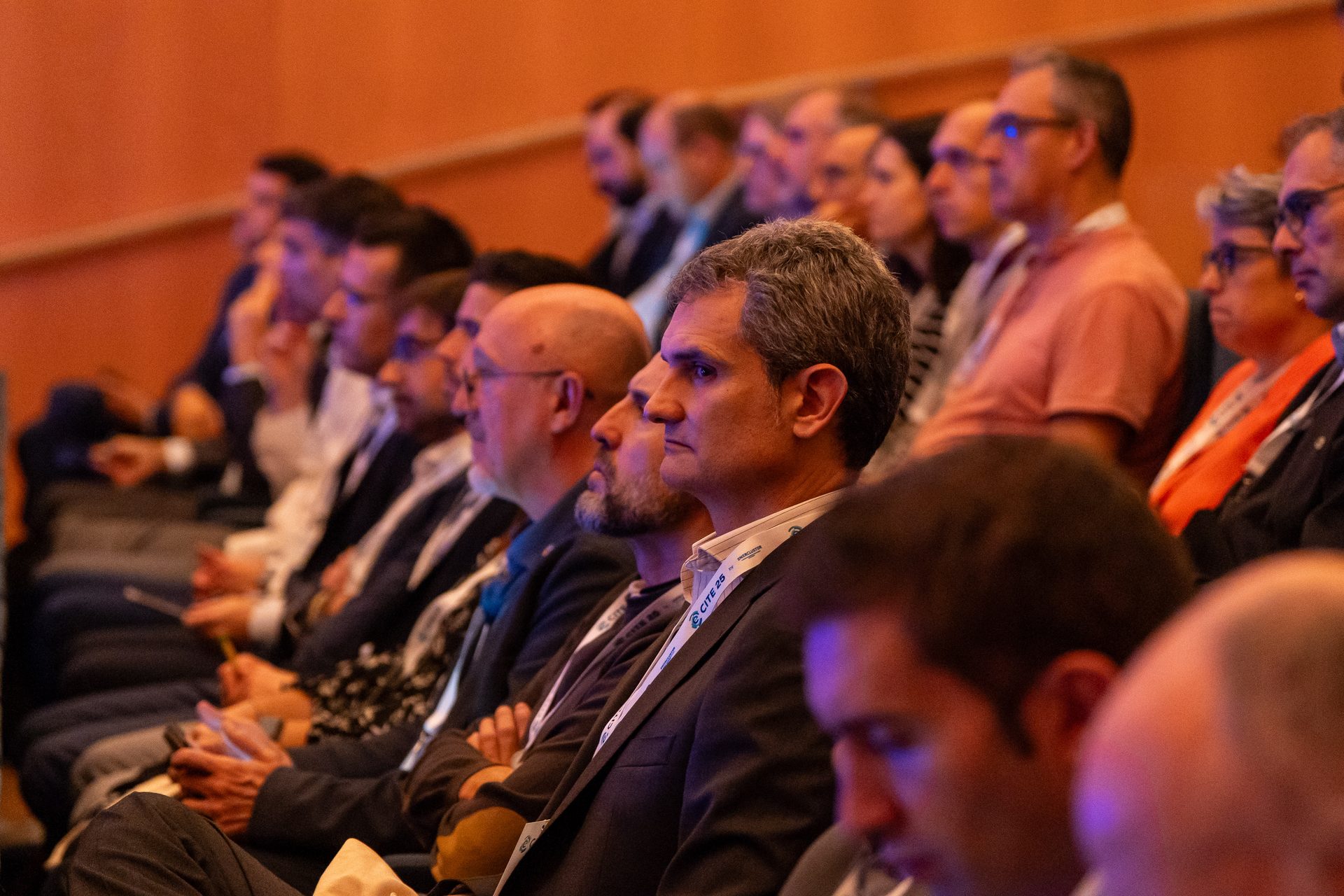
The 4th International Congress of the Industry for the Energy Transition, CITE25, organised by Enercluster with the special collaboration of the Government of Navarre, turned Pamplona into the European capital of renewable energy this Thursday. More than 400 guests from across the industry gathered at the Baluarte Navarre Conference Centre and Auditorium to share the solutions and proposals they believe are needed to increase their autonomy and competitiveness.
This edition of CITE25 was sponsored by Acciona Energía, Nordex Group and Ingeteam as TERApartners; Grupo Enhol, Laulagun Bearings, Nabrawind, Repsol and Sakana Group as GIGApartners; together with ARENA, ARPA Abogados Consultores, Array, Industrial Barranquesa, Beeplanet, EDP Renewables, Elektra, EnergyLoop, EOSOL, IED, Grupo Inerzia, Leadernet, Renercycle, Ríos Renovables, Rose Holm, SIG, Statkraft and Urgon as MEGApartners.
Throughout the day, the long shadow of China loomed over Baluarte, as speakers debated which levers the European renewable industry should pull to counter the growing influence of Asian players. Hence the call for political unity around a fully European value chain, from suppliers to developers, and for investment in grids and local infrastructure, streamlining and speeding up red tape wherever possible.
Thirdly, participants called for a boost to reindustrialisation through measures that go beyond subsidies without slipping into protectionism. All of this without forgetting the need for a communication effort that helps citizens share in the benefits of the energy transition and decarbonisation.
GOING ON THE OFFENSIVE
Spain’s Minister of Industry and Tourism, Jordi Hereu, opened his speech at CITE25 by congratulating the organisers for bringing together the key players in one of the most decisive processes for Europe’s economic and energy future: the industrial transition towards a sustainable model. He stressed that both Spain and the European Union must unhesitatingly reaffirm their commitment to reindustrialisation and the fight against climate change, two strategies he described as «inseparable» and which, he said, are defended «here in Navarre, in Spain and within the European Council». For the minister, Navarre is an example of a region that has turned industry into its main source of progress, with more exports, more innovation and greater social quality. He praised its pioneering role in the development of wind power, «one of the great competitive advantages of the Spanish economy», and stated that backing renewables «not only saves the planet, but also opens the door to new industrial sectors and a virtuous cycle of growth».
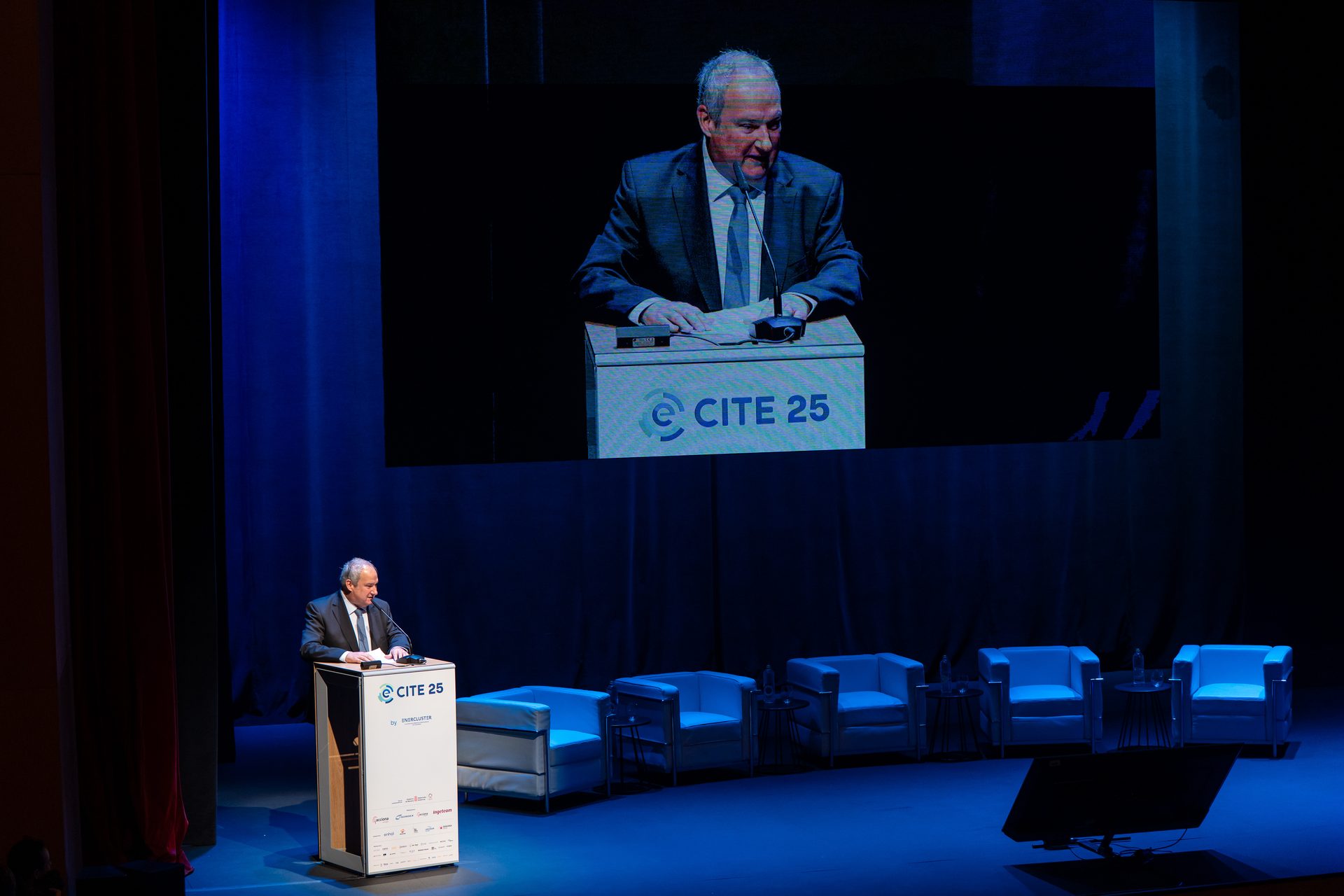
Hereu also championed strategic autonomy as a core principle of European industrial and energy policy. He recalled that sun, land and wind are home-grown resources and, therefore, the foundation of a development model less dependent on the outside world. «The defence of our freedoms and of democracy requires a bedrock of economic power,» he said, linking industrial strength to Europe’s ability to maintain its influence and prosperity. He insisted that the renewable value chain must have a stronger European footprint, but without falling into protectionism, favouring international cooperation and an energy policy that guarantees a level playing field for all. In his closing message, he conveyed the Spanish Government’s support to the companies in the sector and its willingness to maintain a constructive dialogue to jointly tackle the challenges of the green transition and industrial competitiveness: «Our present and our future are at stake. It is time to go on the offensive in reindustrialisation and the green transition.»
The President of Navarre, María Chivite, highlighted the region’s role as a European benchmark in renewable energy generation and in its commitment to a sustainable economic model. «Navarre is the home of the renewable industry,» she said, recalling the «almost self-taught» origins of this industry and pledging that her Government will continue to promote public-private cooperation to consolidate that leadership. Chivite stressed that the sector is part of «Navarre’s DNA» and that, together with the automotive and agri-food industries, renewable energy is one of the pillars of the region’s competitiveness and well-being.
In her speech, the President also warned of the need to protect European industry against unfair competition and international trade tensions, calling for «support for the local» as a guarantee for the future of the value chain. Chivite therefore urged the European Union to act decisively so as not to lose its productive capacity, and argued that the energy transition is not only viable but a driver of competitiveness, as the growth of the Spanish economy shows. «Europe cannot become the world’s museum,» she said, calling on the companies present to turn the congress into a forum for alliances and solutions that strengthen the continent’s green industry.
Earlier, along the same lines, the European Commission’s Executive Vice-President for a Clean, Just and Competitive Transition, Teresa Ribera, stressed that «competitiveness is green». In a video message, Ribera argued that the energy transition is not only a climate issue, but also a matter of economics, prosperity and security for Europe. She cited the example of Spain, where the growth of wind and solar power has reduced the influence of fossil fuels on electricity prices by 75% since 2019, bringing the cost of electricity 32% below the European average. «Clean energy means competitive prices and well-being,» she said, insisting that the Clean Industrial Deal seeks to make clean technologies the pillar of Europe’s industrial strength.
Ribera warned, however, that Europe cannot fall behind in a global context where powers such as China have invested more than €210 billion in clean technologies since 2022. She therefore called for faster energy integration and for certainty for investors and innovators. She also announced new large-scale financial tools, such as a €409 billion Competitiveness Fund, a decarbonisation bank able to mobilise €100 billion and a European grids package to be presented at the end of the year. «The world is changing fast, but Europe has what it takes: innovation, unity and vision,» Ribera concluded, calling for the clean transition to become the continent’s main competitive advantage.
RENEWABLE CEOs CHAMPION «MADE IN EU»
China, which in 2024 accounted for more than half of the world’s installed wind capacity, dominated the first panel of the day, which made clear that it is the main rival of European wind companies. «They are already taking market share from us in regions such as South America, Africa and even Spain,» warned José Luis Blanco, CEO of Nordex Group.
Blanco described the Asian giant as an «imminent threat», warned of the «potential risk» that most of the energy generated could end up «controlled» by Chinese companies, and attributed the country’s superiority to four factors: the «full support» of its government, which has drawn up a «national strategy to dominate» renewables globally; its technology; its demographics, which allow larger installations than in Europe to be built in sparsely populated areas; and its advanced infrastructure network, which allows wind turbines to be transported efficiently.
To reverse this situation, the Nordex CEO called for faster project permitting, investment in grids and infrastructure, support for European suppliers and autonomy across the entire value chain. «It is no use having wind turbines on our soil if we are not the ones developing the technology,» he stressed.
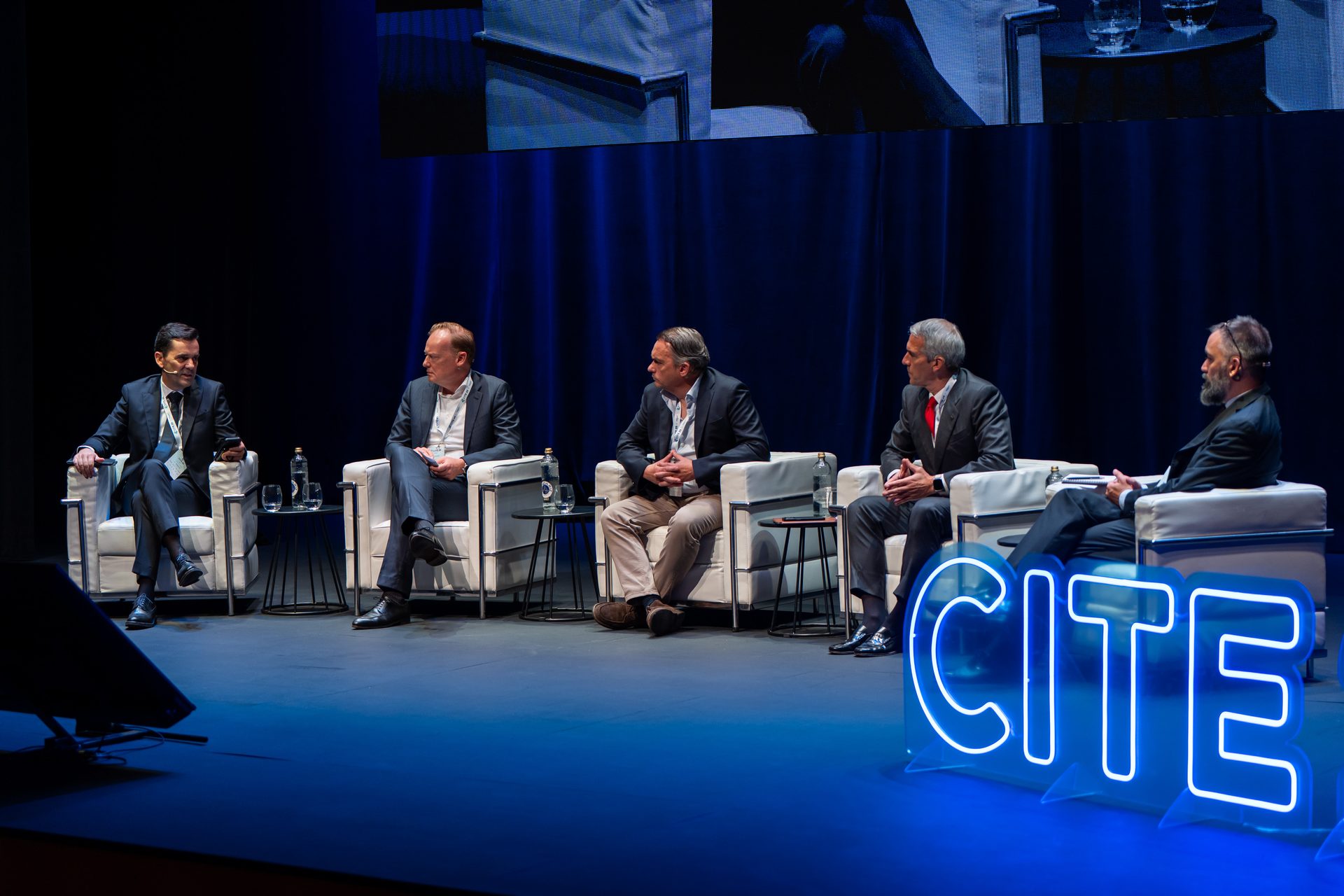
Michael Larsen, CEO of SM Industries, argued that components should be manufactured in Europe and, in the same vein, urged companies to buy European, even if that meant smaller savings and slightly more expensive energy. «As citizens, we should pay a few euros more for energy in exchange for keeping local jobs and industry. That is the only way we will grow again,» he said.
Torsten Tiefel, CEO of Silbitz Group GmbH, said that Europe’s strategy should not be to copy the new Chinese wind turbines which, thanks to their enormous size, can reach outputs of up to 20 megawatts. «We don’t have the right infrastructure and it would require huge investment. Besides, I don’t think these turbines will reduce the price of energy significantly,» Tiefel argued. According to him, European companies must «improve the reliability» of wind turbines, recycle their materials better, reduce red tape and work towards global standards in order to compete on a level playing field.
Adolfo Rebollo, CEO of Ingeteam, did not support scaling up European turbines to the size of Chinese ones either, because transporting them and adapting infrastructure (tunnels, bridges, roads) would considerably increase the cost of energy and, as a result, reduce competitiveness. Like his fellow panellists, Rebollo advocated strengthening European industry, technology and supply chains. «We cannot buy abroad; we have to protect ourselves. Where there is local industry, value is created, wealth is generated and it flows back to society,» he explained. To protect European companies from competitors from other continents, he also called for public support granted by national and public institutions to be reserved for local companies.
A STRONGER, COLLABORATIVE VALUE CHAIN
The following round table, moderated by Enercluster’s managing director Iker Chasco, looked at different international experiences in building a renewable value chain. The United States, India and Brazil are among the countries that have developed specific regulations to support local production and strengthen this chain against, for example, Chinese exports.
The first to speak was Mike Carr, executive director of the Solar Energy Manufacturers for America (SEMA) Coalition. He began by explaining that, even before the Inflation Reduction Act (IRA) was passed in 2022, the organisation had realised it would be impossible to compete with China if the supply chains for the materials used to build solar panels remained «too concentrated» in the Asian giant. «Today, thanks to that law, many states are seeing record growth in energy demand. Michigan and Georgia are building large numbers of data centres and component factories for solar plants and wind farms,» he said.
At the same time, he noted that the messages President Trump is sending about renewable energy «are contradictory». «In the end, it looks as though the Senate and Congress will not scrap the IRA subsidies that Trump had announced he would remove. Instead, many industrially depressed areas will get a boost in the short and medium term,» Carr said. In his final remarks, he stressed the need for greater manufacturing capacity for solar panel components. «We cannot ignore the fact that solar is the cheapest and fastest way to get electricity,» he concluded.
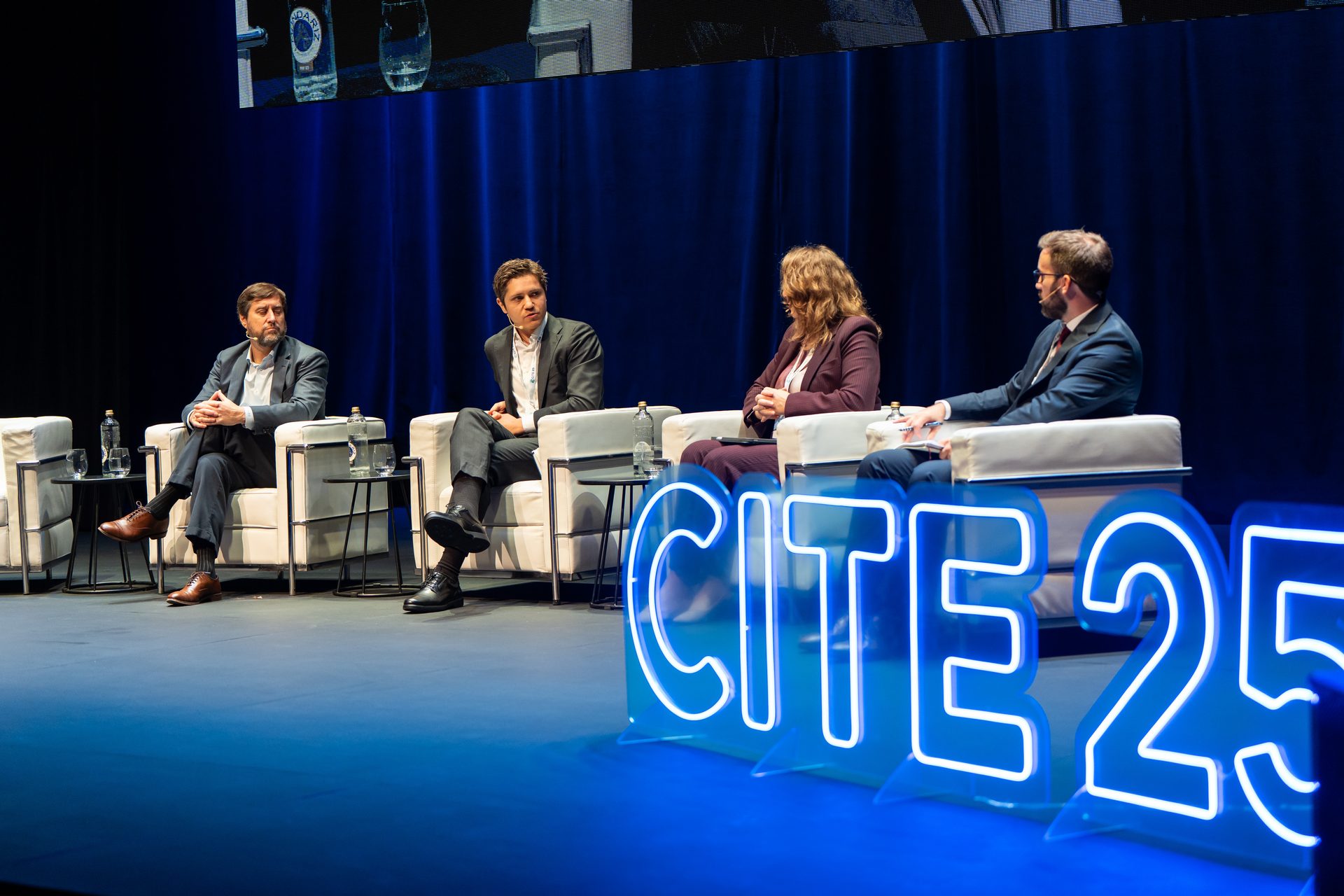
Next to speak was Silvia Gavorníková, Head of the Export Credits and Competition Division at the Organisation for Economic Co-operation and Development (OECD), who picked up where Carr left off to refer to the report the organisation published a few months ago on government subsidies to business. «The global steel market is distorted by non-market forces, and producers who do not benefit from subsidies cannot compete on equal terms,» Gavorníková said. She also pointed out that the Chinese government has begun requiring foreign companies to obtain special licences to export critical raw materials used to build solar panels and wind turbines, such as silicon, aluminium, steel and semiconductors.
«The data show that there is no level playing field. Our report finds that the subsidy rate for steel in China is five times the average of other economies,» she said. However, she noted that each government should apply subsidies according to its own needs, «but they must be used to create a level playing field». Finally, Gavorníková advised attendees to contact export credit agencies if they want to break into international markets. «If Europe acts together as one nation, we will be stronger,» she stressed.
The third panellist was Ruben Davis, Policy Lead at Cleantech for Europe, who began by explaining why European countries need to build renewable energy value chains. «Industrially and politically, Europe has focused too much on innovation and left manufacturing behind, whereas China has managed to combine both. We Europeans have world-class universities, research centres and incubators, but we have neglected everything else,» he lamented. He went on to describe the Asian giant’s value chain: «China has taken a more comprehensive approach. It has built a local supply chain around its companies to control market access by attracting talent, training people and exploiting raw materials.»
The solution? Davis recommends a change of mindset at European level. «Subsidies are not the only answer. We need to build the right trade environment. If we don’t create mechanisms to defend trade and local industry, Europeans will always lose to China.» He favoured a stance similar to that of the United States, though he noted that «the American pendulum has swung too far towards protectionism and isolationism». «Europe must remain open and commit to reindustrialisation,» he concluded.
A FULL-SYSTEM TRANSFORMATION
Renewable project development is going through a period of deep reflection. This was the message from Arantza Ezpeleta, CEO of Acciona Energía; João Costeira, Executive Managing Director of Repsol Low Carbon Generation; and Rocío Sicre, General Manager of EDP Renováveis Spain, during the CEO Developers panel at the International Congress of the Industry for the Energy Transition (CITE25). They agreed that the energy transition cannot be reduced to «a race to install megawatts», but must be approached as a full transformation of the energy and production system.
All three executives acknowledged that 2025 is proving a difficult year, with more than 600 hours of zero or negative electricity prices and stagnant demand. «We have unbalanced generation, no grids to absorb the output and demand that isn’t growing,» warned Ezpeleta. According to the Acciona Energía CEO, «Spain is doing very well at decarbonising supply, but we are failing to decarbonise demand». In her view, meeting the targets of Spain’s National Energy and Climate Plan (PNIEC) will require electricity consumption to grow by 6% a year, which calls for active electrification policies, stronger grids and more storage capacity.
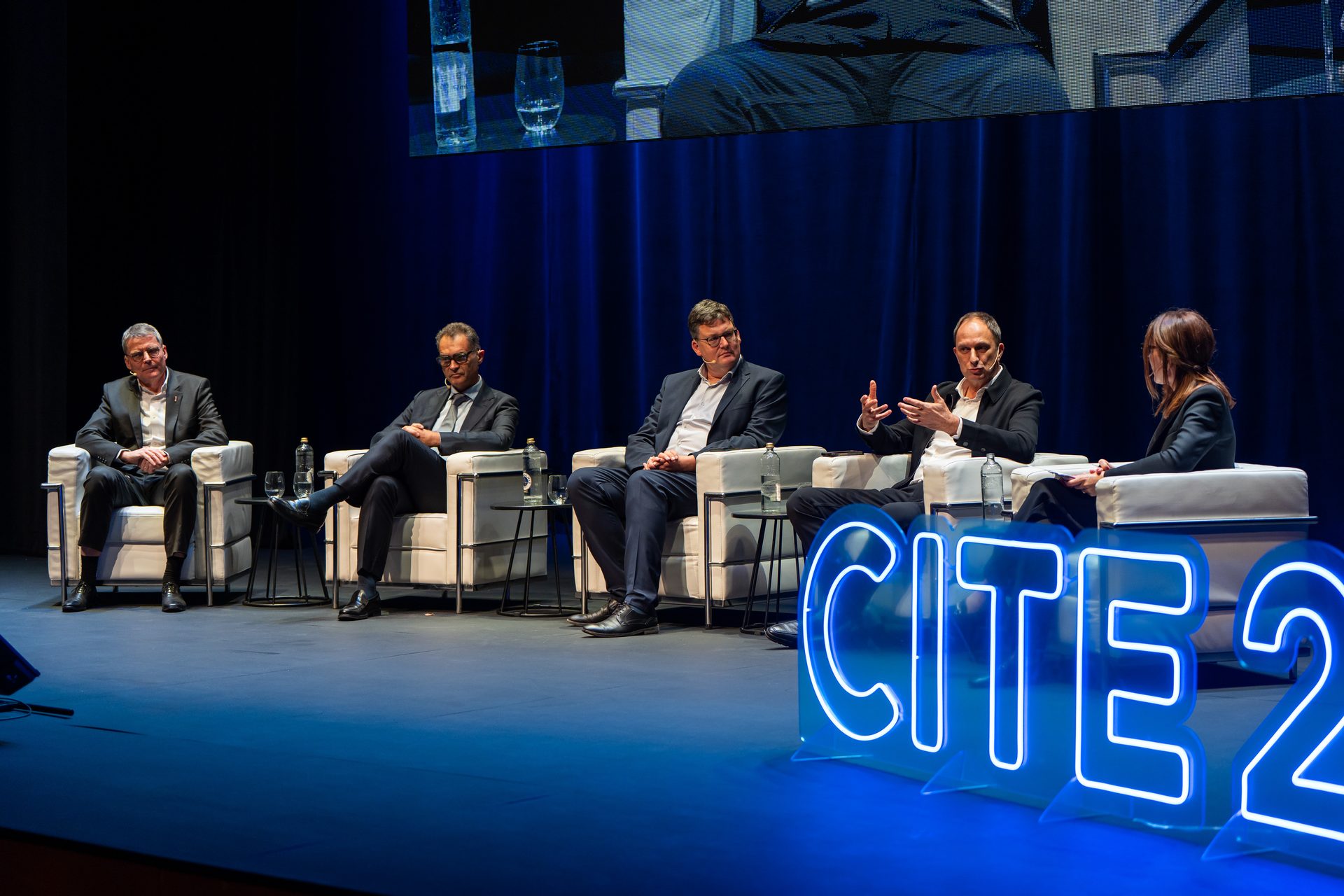
Rocío Sicre considered the current imbalances to be «cyclical, not structural», but stressed the urgent need for capacity mechanisms that restore value to the megawatt-hour and make new projects viable. «The demand is there and wants to set up here, but it needs competitive prices and regulatory certainty,» she explained. She also called for the removal of the administrative bottlenecks holding back new investment and warned of the need to «make markets more sophisticated» and avoid unpredictable taxation that erodes companies’ margins.
From Repsol, João Costeira struck a more cautious note: «We have had more supply than demand for years, and there are no short-term solutions.» He advocated investment in storage, grids and digitalisation, and insisted that «not all megawatt-hours are equal: only the most efficient projects, those able to add value to the system, will survive». Costeira also warned of the risk of overcapacity and of the need to adapt business models to an increasingly demanding market: «In the coming years, only the truly good projects will get built.»
On regulation, all three called for a review of the auction model so that awarded projects are actually built and do not become speculative exercises. Sicre argued that auctions should take into account «price indexation and realistic development timelines», while Ezpeleta recalled that «they were a useful tool in the past, but they only work if they are well designed and adapted to each market». Costeira was more blunt: «Spain doesn’t need new onshore auctions; the goal must be to consolidate what we have and strengthen the supply chain.»
Another key theme of the discussion was the defence of European content in the renewable value chain. «We cannot keep decarbonising at the cost of deindustrialising Europe,» warned Costeira. «The rules must reflect real costs; manufacturing a turbine here cannot be more expensive than importing it from China without taking into account the taxes and jobs it generates.» Along the same lines, Ezpeleta called for a European incentive framework to support the purchase of products made in Europe.
The debate ended with a joint call to improve the social acceptance of renewable energy, which remains an unresolved issue. «Twenty-five years ago there was a lack of awareness; today there is opposition,» lamented Ezpeleta, who called for more outreach and transparency to explain the local benefits of projects. Sicre agreed: «We develop in rural areas that need investment, but opposition has become politicised and is being taken to court, with thousands of megawatts stalled.»
EUROPE AND ITS INDUSTRIAL SOVEREIGNTY
At the PV & Storage CEOs panel, Christoph Podewils, Secretary General of the European Solar Manufacturing Council (ESMC), said Europe has fallen behind because of its «complicated» bureaucracy, which imposes «too many requirements and conditions»; the US Inflation Reduction Act, which has drawn many companies to the United States; and the strength of Chinese batteries, backed by greater «overcapacity». Podewils argued that the key lies in changing mindsets and showing consumers that it is worth paying more for higher-quality batteries. Along the same lines, he claimed that only 60% of the modules manufactured in China meet their own specifications and that, for example, they do not withstand hailstorms.
The recipe of Marc Rechter, CEO of MCPV, was for the European Union to adopt its own legislation to make manufacturing in Europe «simple, fast and clear». Specifically, he called for European rules requiring solar panel components to be manufactured on the continent, for an increase in European manufacturing capacity and for a regulatory framework that attracts investment. «We have to stop the money going to China or the United States,» he said. Rechter added that Europe must change its mindset, streamline regulation and «adapt the rules to the pace of change of the modern world».
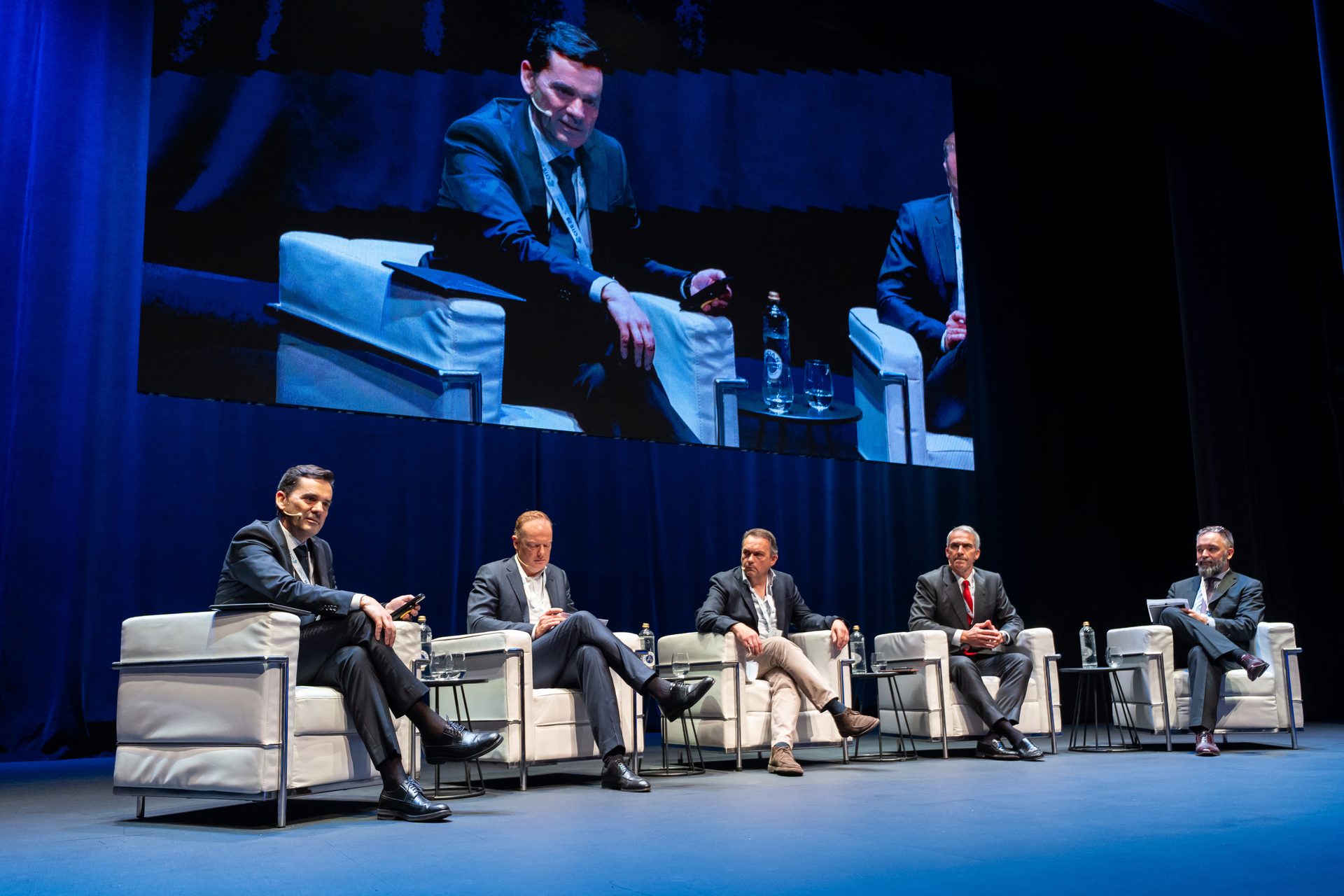
Laurent Bodin, Chief Commercial Officer of Holosolis, argued for buying fewer Chinese modules and, like the other speakers, considered it vital that European law require modules and batteries to be manufactured on the continent. «Modules cannot come from China. We have to buy in Europe and have everything made in Europe. We are talking about our own freedom, sovereignty and resilience,» he warned. According to Bodin, this is «Europe’s last chance» to build an industrial base capable of absorbing «new innovation», reduce regulatory burden and speed up tendering.
Finally, Hervé Amossé, EVP of Saft Energy Storage Solutions, explained that more than a decade ago the company manufactured its own lithium battery modules and cells, but that for the past five years it has sourced them from the Chinese market. «During the pandemic they got ahead of us because their batteries have much greater capacity,» he acknowledged. Amossé said Europe must «become strong» in other areas, such as the software that controls energy injection and absorption, grid connection and battery maintenance.
AFTERNOON PROGRAMME
In the afternoon, the programme moved on to parallel sessions in two of Baluarte’s halls. The Sala Cámara hosted the ‘O&M Panel’, which discussed how new technologies (such as artificial intelligence, drones and robots) can revolutionise operation and maintenance services, one of the fastest-growing and most profitable businesses in the sector. The speakers were Eduardo Medina, CEO of RES; Juan Otazu, Production Director at Acciona Energía; and Javier Amelivia, CEO of Spie Wind.
At the same time, the Sala Luneta hosted the ‘Energy Storage Panel’, which addressed the viability of the Spanish market, lessons learned from more mature markets and the future beyond lithium batteries. The speakers were Rodrigo Hartstein, Head of Portfolio Management and Battery Energy Storage Systems at Siemens Energy; Peer Piske, Managing Partner at Alantra; Susana Gómez, Head of Renewable Energy at Nexus; and Will Broad, Global Director of Policy and Market of Long Duration Storage at the LDES Council.
Later, the Sala Cámara hosted the ‘Green Hydrogen Panel’, which looked at realistic expectations for this technology and its competitive applications. The speakers were Susana de Pablo, General Director of Engineering, Technology and Digitalisation at Enagás; Alan Ripa, CEO of Acciona Plug; Juan Peña, Chief Corporate Business and Institutional Affairs Officer at Grupo Enhol; Carlos Ayuso, Technology Development and New Ventures Director at Moeve; and Luis Solla, CEO of Nordex Electrolyzers.
Meanwhile, the Sala Luneta hosted the ‘Grid Panel’, focused on the role of the electricity grid in the energy transition and its capacity to integrate current and future renewable deployment. The panellists were Alfredo García-Borreguero, Managing Director in Spain at Hitachi Energy; José Manuel Pérez, Head of Regulation at EDP Spain; Eduardo Pedrosa, Managing Director Transmission and Distribution at Ingeteam; and Concha Sánchez, General Director of Operations at Red Eléctrica.
AT A CROSSROADS: LEADERSHIP OR DEPENDENCE
The day concluded with a keynote by Yana Popkostova, founder of The European Centre for Energy and Geopolitical Analysis (ECEGA), who analysed the challenges and opportunities facing the European renewable industry in the current geopolitical context. Echoing previous speakers, she argued that the Old Continent faces a decisive decade in which it must choose between leading the energy transition or depending on external powers. She also criticised the fragmentation of the European market, excessive bureaucracy and the erosion of the manufacturing base, with factories closing and margins shrinking. «We invent, but others manufacture,» she said, noting that China produces eight out of ten critical technologies and that the continent is «competing against itself» while losing strategic capacity.
In a way, her analysis served as a summary of many of the conclusions drawn during the day. She called for Europe to reindustrialise, invest in robust and resilient electricity grids, and simplify the regulatory framework to regain competitiveness. «We don’t need more laws; we need to align the ones we already have,» she said, calling for speed and political leadership to close the gap between innovation and its industrial application. She was also convinced that Europeans «are willing to pay more» for products made on their own continent and urged that this be reflected in public tenders and certifications. «Europe’s renewable future will not be achieved with targets on paper, but with real action and coordination. Either we lead or we give way,» she concluded.
Popkostova’s argument was shared by Aitor Erquicia, President of Enercluster, who called for a strategic and constructive view of the moment Europe is living through. «The future belongs to those who build it. Let’s focus on the positives,» he said, adding that the continent «has a lot at stake this decade» and that everyone in the sector must be aware of it. Erquicia explained that the Navarre cluster will work to «foster alliances and build bridges» that promote cooperation between companies and institutions: «Our duty is to stand up for ourselves, not to complain. Our autonomy is at stake, so we must focus on the opportunities and keep a positive attitude.»
At the closing session, Navarre’s Minister for Industry and for Ecological and Digital Business Transition, Mikel Irujo, issued a fresh call to the European Union for urgent measures to secure the future of the wind sector and the competitiveness of the European renewable industry. «The sector is going through a critical, highly uncertain time, and it is more necessary than ever to act quickly,» he said, before pointing out that the current European regulatory framework is insufficient because it focuses solely on auctions and leaves out key mechanisms such as PPAs and plants operating in the wholesale market.
Irujo also warned that non-price and resilience criteria «are not being applied effectively and do not ensure that manufacturing stays in Europe», putting the entire value chain at risk. In this context, he stated that Navarre will continue to lead this debate, together with eight regional clusters representing more than 800 companies, to champion policies that boost European competitiveness against other markets: «We must think not only of the big companies, but also of the local suppliers who add value to the sector, because they are essential for Navarre to remain a benchmark region in renewable energy.»